


What Size Generator Does Your Home or Business Need?
Choosing the right generator starts with understanding how much electricity your home or business needs during an outage. Residential properties typically require power for refrigeration, heating, lighting, and essential appliances, while businesses may also depend on computers, servers, machinery, and commercial HVAC systems. Identifying these priorities helps determine the appropriate generator capacity and ensures essential equipment remains operational when utility power is unavailable.
A professional electrical assessment can distinguish critical equipment from systems that can remain offline during an interruption. Understanding these requirements allows property owners to select generators that provide dependable performance without unnecessary capacity or operating expenses. Evaluating typical electrical usage throughout the day can also help determine which systems require the most reliable backup power.
Calculating Your Required Generator Capacity
Calculating electrical demand involves adding the running wattage of essential appliances and equipment while accounting for additional power required during startup. Motors in air conditioners, refrigerators, and industrial machinery can create substantial temporary electrical loads. Failing to account for these surges can result in insufficient power and equipment interruptions.
Professional assessments help determine the appropriate capacity while considering simultaneous equipment operation and future expansion. Planning for additional appliances or business growth can also prevent expensive upgrades later. Choosing the correct size helps balance operating efficiency with reliable performance.
Understanding Different Generator Types
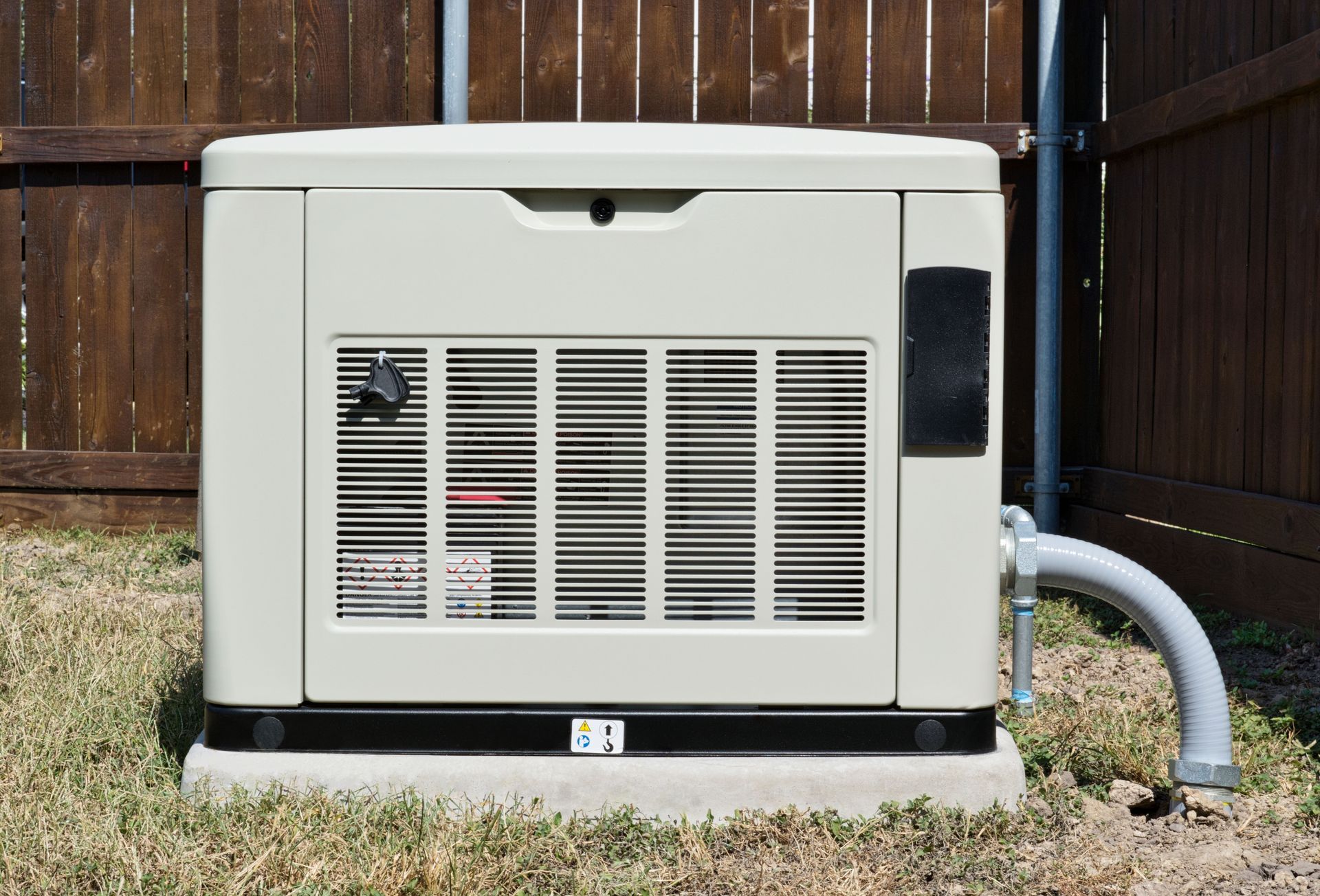
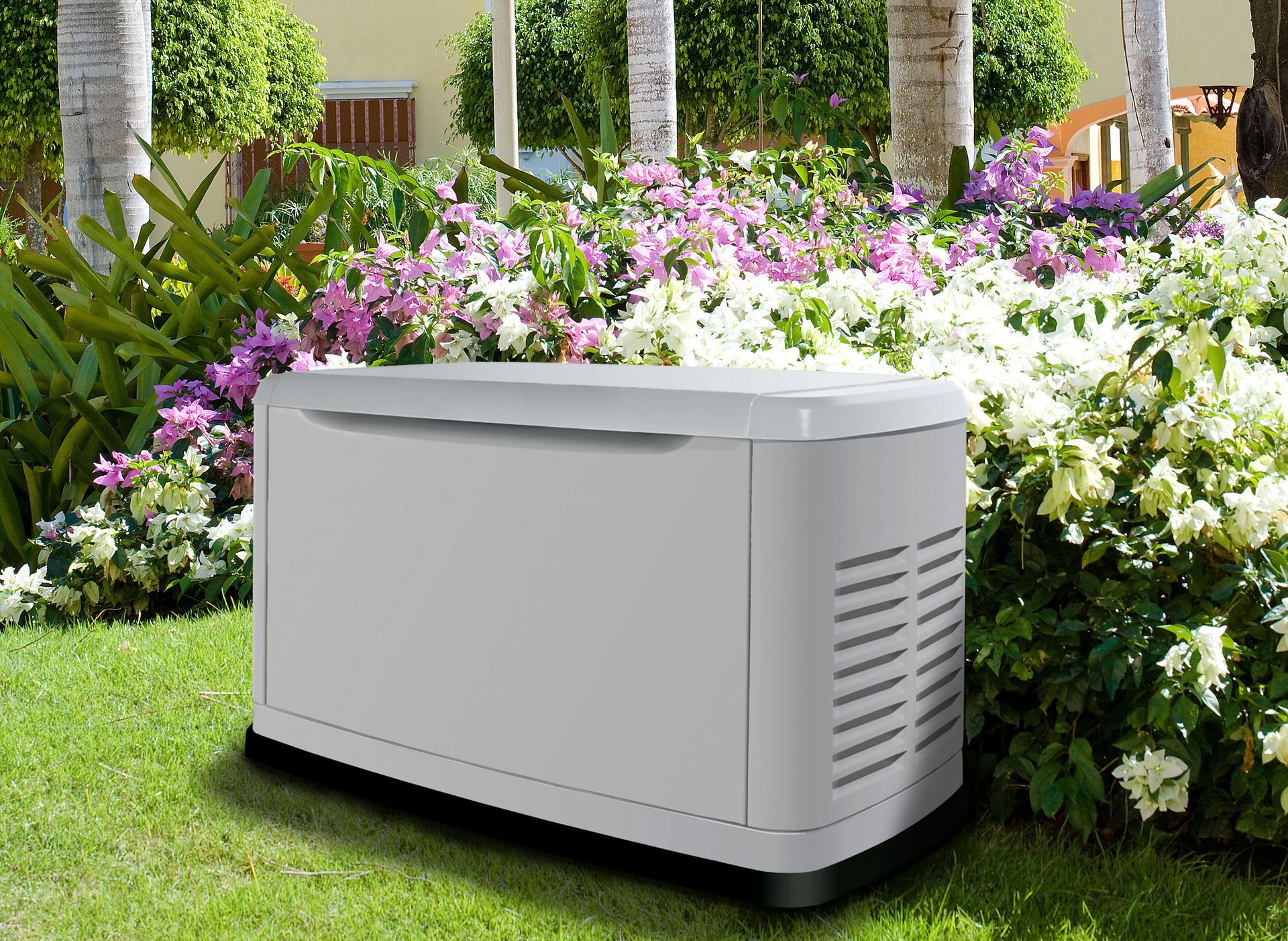
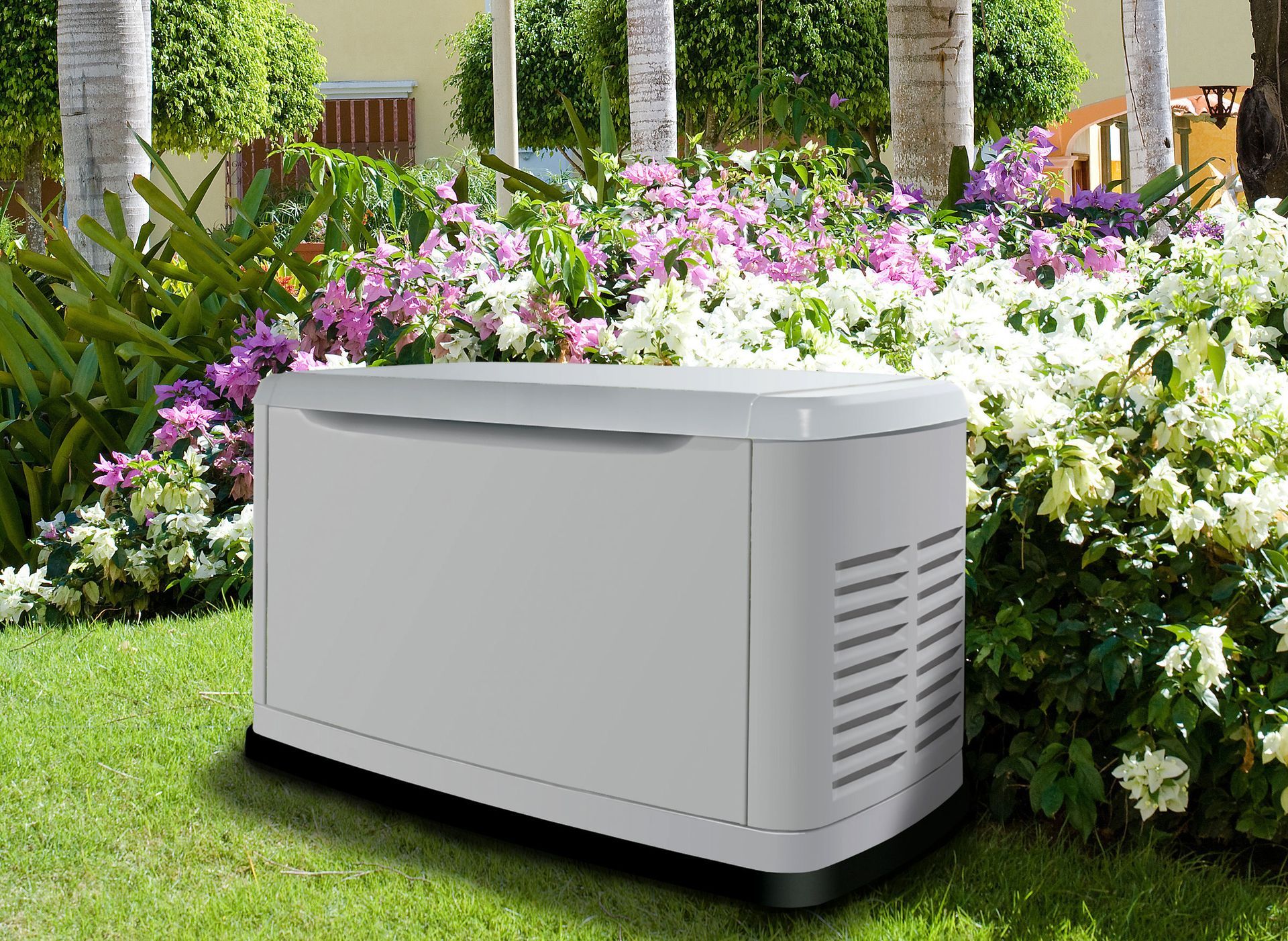
Portable generators provide temporary power to selected appliances and equipment, while standby generators are permanently installed systems that can automatically restore power during an outage. Standby models are particularly valuable for properties where maintaining essential electrical services is a priority. Inverter generators can provide consistent electricity for sensitive electronics and may offer quieter operation.
Dual-fuel and tri-fuel models provide flexibility by accommodating different fuel sources, depending on their design. Comparing these options with a qualified electrical professional helps property owners select generators that match their electrical requirements, budget, and operating environment. Properties that experience frequent outages may benefit from permanently installed systems with automatic transfer capabilities.
The intended application should guide the final selection. Residential customers may prioritize convenience and essential household coverage, while commercial customers may need equipment designed for demanding operating conditions. Evaluating expected runtime, available space, and electrical capacity helps narrow the options to systems that provide practical long-term value.
Comparing Generator Fuel Options
Fuel availability, operating costs, and storage requirements influence which generator is most appropriate for a particular property. Gasoline is common in portable models, while diesel is frequently used for commercial and industrial applications. Natural gas can be convenient for permanently installed systems connected to a suitable utility supply.
Propane offers long-term storage advantages, although tank capacity and fuel costs must be considered. Renewable energy systems can also complement conventional backup equipment when site conditions support their use. Comparing fuel consumption, expected runtime, and supply reliability helps property owners prepare for both brief and extended outages.
Choosing Generators for Residential Properties
Smaller homes may need enough backup power for refrigeration, lighting, communications, and selected essential appliances. Larger homes may require additional capacity for heating and cooling systems, water pumps, and other major electrical loads. The appropriate generator size depends on actual demand, equipment startup requirements, and whether the goal is to power essential circuits or the entire property.
Off-grid homes have additional considerations, including fuel availability and integration with renewable energy systems. A qualified electrician can evaluate the property's electrical panel, transfer equipment, and overall load requirements before recommending a suitable solution. Noise levels, installation space, and local regulations may also influence the selection process.
Homeowners should also consider how long essential systems may need to operate during an outage. Extended interruptions can affect heating, refrigeration, and other household necessities, making fuel capacity and expected runtime important factors. Discussing these priorities with an electrical professional helps ensure the selected system meets household needs.
Climate and seasonal conditions can also influence residential backup power requirements. Homes in areas with severe winters may need sufficient capacity to support essential heating equipment, while properties in hot climates may prioritize air conditioning and refrigeration. Considering local weather patterns helps homeowners choose generators that better match their circumstances.
Planning Backup Power for Businesses
Commercial properties often depend on reliable electricity to maintain customer service, protect inventory, and support essential operations. Small businesses may prioritize lighting, payment systems, refrigeration, and computers, while industrial facilities may require much greater capacity for production equipment. A detailed load assessment helps establish which systems must remain operational during an outage.
Data centers and other technology-dependent facilities require particularly careful planning because even brief interruptions can cause significant financial losses. According to Trystar, power failures pose significant risks to data centers, where downtime costs average $740,357 per incident. Appropriately sized generators, coordinated transfer systems, and redundant backup arrangements can help reduce the risk of costly service interruptions.
Outages can affect different industries in different ways, from spoiled restaurant inventory to interrupted manufacturing and communications. Businesses should consider these risks alongside future expansion, fuel availability, and operating expenses. A professionally designed backup power system helps protect business continuity and maintain essential services.
Businesses should also consider how backup power fits into their broader emergency preparedness plans. Establishing priorities for essential equipment, reviewing expected outage durations, and arranging professional maintenance can improve readiness. Selecting generators that accommodate critical loads helps organizations maintain operations and recover more efficiently when utility service is interrupted.
Understanding Installation and Safety Requirements
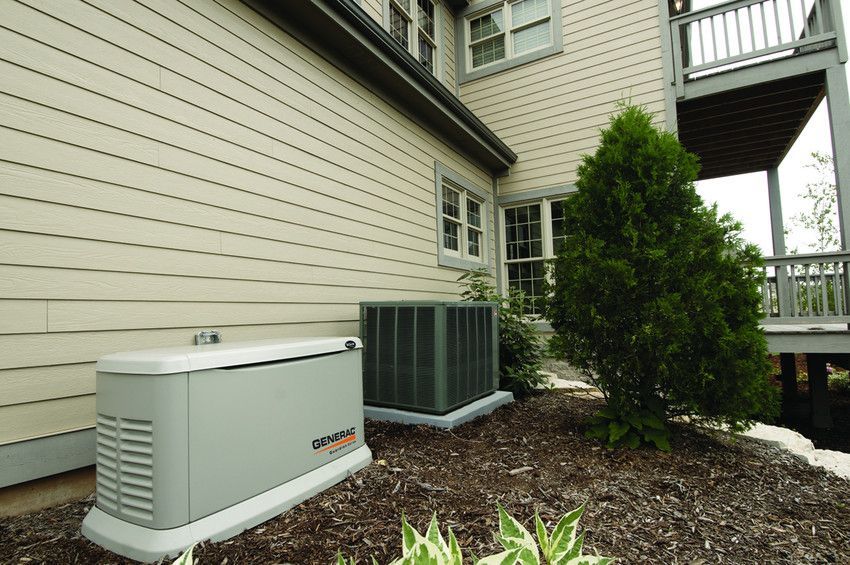
Generator installation requires careful attention to electrical connections, ventilation, fuel arrangements, transfer equipment, and local building codes. Standby systems must be integrated appropriately with the property's electrical infrastructure to support safe and dependable operation. Professional installation helps ensure the equipment matches the intended electrical loads.
Generator placement is especially important because exhaust gases can create serious health hazards. Equipment must be positioned according to manufacturer requirements and applicable safety standards to prevent carbon monoxide from entering occupied spaces. Permits and inspections may also be necessary, depending on the equipment and local regulations.
Maintaining Generator Reliability
Regular professional maintenance helps ensure that backup power equipment remains ready when needed. Service requirements may include inspecting batteries, fuel systems, filters, electrical connections, and other components. Periodic testing can identify developing problems before an emergency exposes them.
Maintenance schedules vary according to generator type, operating conditions, and manufacturer recommendations. Commercial systems may require more extensive service arrangements because their reliability directly affects business operations. Keeping service records and addressing warning signs promptly helps protect the equipment investment and support dependable performance.
Changes in electrical demand may also require a reassessment of the system. If a property adds major appliances or commercial equipment, its backup power requirements could increase. Professional evaluations help ensure generators continue to provide suitable capacity as those needs evolve.
Evaluating Generator Costs and Long-Term Value
Generator costs depend on capacity, fuel type, installation complexity, transfer equipment, and maintenance requirements. A smaller unit may cost less initially but fail to support essential equipment, while an oversized system can increase expenses unnecessarily. Property owners should compare purchase prices with fuel consumption, servicing, installation requirements, and the potential financial consequences of power loss.
Businesses may find that preventing operational interruptions justifies investing in reliable backup equipment. Comparing expected equipment lifespan, maintenance requirements, and replacement component availability also provides a clearer picture of long-term value. Professional guidance helps balance upfront costs with dependable performance.
Selecting the right generator requires an accurate assessment of electrical demand, suitable equipment, and a safe installation plan. Whether you need residential backup power or a commercial system designed to support critical operations, professional guidance can help you make an informed decision. Grand Valley Electrical Services Inc can help evaluate your electrical requirements and identify an appropriate backup power solution.
From determining capacity to coordinating installation and maintenance, professional support helps prepare your property for unexpected interruptions. Properly sized generators can protect essential equipment, reduce disruption, and provide greater confidence during severe weather and utility failures. Contact Grand Valley Electrical Services Inc to discuss your generator needs and find a dependable backup power solution for your home or business.










Share On: