

Is Now the Right Time to Buy a Generator?
In today's world, where power outages and energy uncertainties are becoming more frequent, owning a generator has become a primary topic of interest of many homeowners and business owners. As energy demands increase and electrical power grids across the country become increasingly strained under heavy usage, the reliability of uninterrupted electricity is more uncertain than ever before. Extreme weather events, aging regional infrastructure, and sudden climate surges continue to expose vulnerabilities in utility networks, leaving millions without lighting, heating, refrigeration, or communication for extended periods.
Evaluating Power Needs and Local Reliability
Modern everyday life is heavily dependent on an uninterrupted flow of electricity to sustain basic comfort, safety, and operational continuity. Essential household functions such as indoor heating, air conditioning, refrigeration, clean water pumping, and cooking all rely on electrical power, as do essential communication networks, home offices, and life-supporting medical devices. When evaluating whether to purchase a backup system, it is crucial to audit how deeply your daily routine relies on constant power. Sudden blackouts can lead to significant disruptions, ranging from minor inconveniences like spoiled food to serious safety hazards for vulnerable family members who require medical equipment or climate control.
Power reliability varies dramatically based on regional geography, local infrastructure age, and municipal utility performance. Neighborhoods with older electrical grids, overhead power lines exposed to dense tree canopies, or elevated susceptibility to severe weather events such as severe thunderstorms, heavy ice, winter blizzards, or hurricanes frequently experience recurrent grid failures. Reviewing historical outage data provided by local energy utility companies offers strong context regarding how often power disruptions occur and how long municipal restoration crews typically take to bring lines back online during widespread emergencies.
Selecting the Ideal Generator System
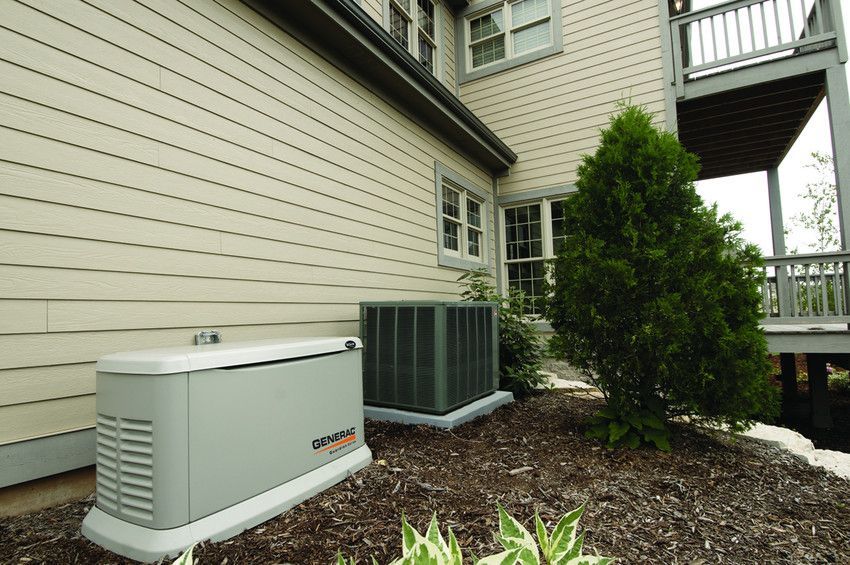
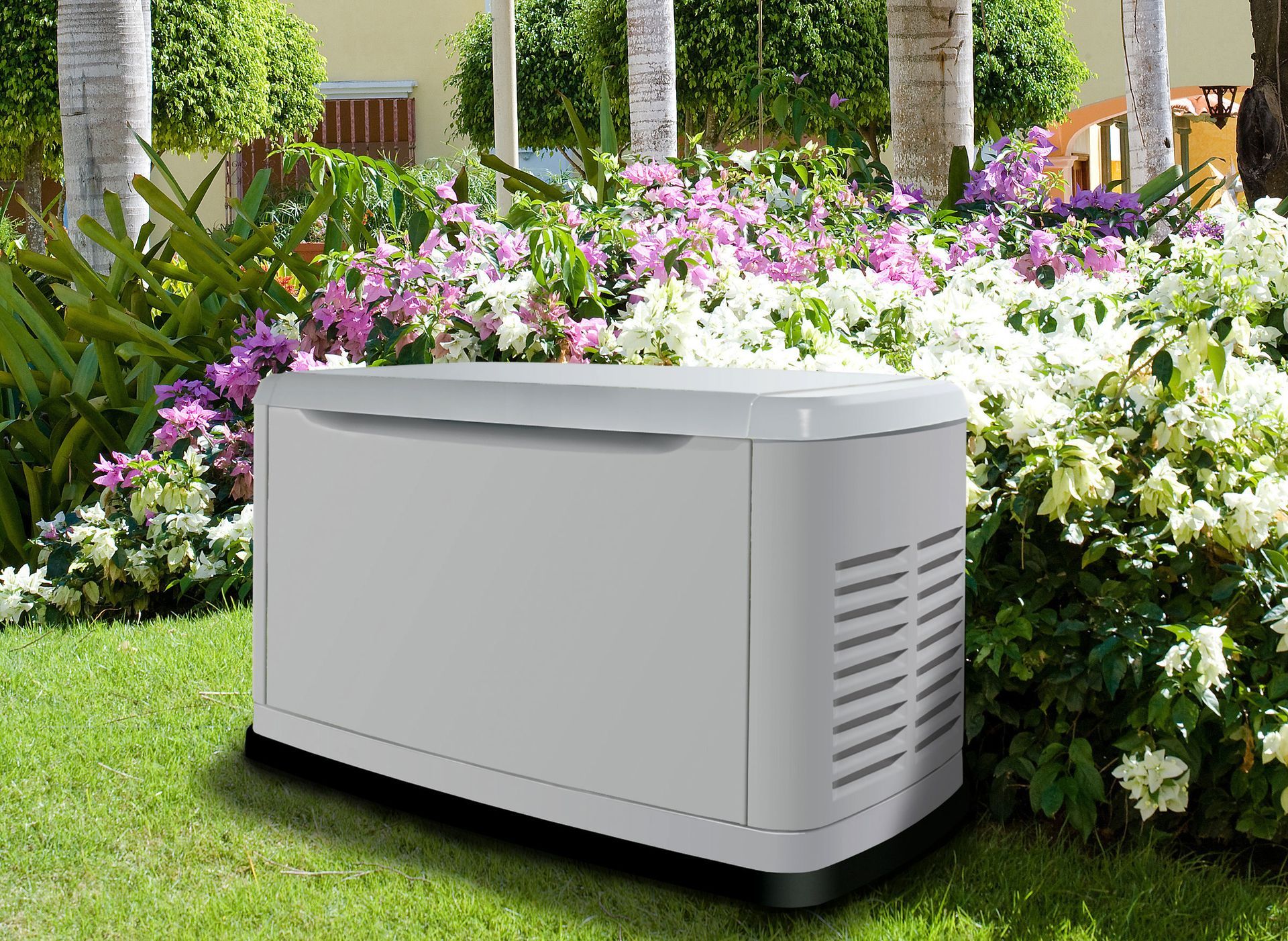
Backup electrical systems are generally categorized into three major functional design classes: permanently installed standby units, traditional portable power generators, and modern inverter systems. Standby units are installed outdoors on a dedicated concrete or composite pad, directly connected to the home's main electrical panel through an automatic transfer switch. The moment utility power drops out, a standby unit detects the grid failure, fires up automatically within seconds, and restores continuous power across pre-selected circuits without requiring manual intervention, making it the most seamless solution available for uninterrupted living.
Portable options offer maximum flexibility and cost-effectiveness for property owners seeking temporary power support. These units are designed to be rolled out of storage during an emergency, operated outdoors at a safe distance from living spaces, and manually connected to key appliances via heavy-duty extension cords or a dedicated manual transfer inlet box. Modern inverter units represent an advanced evolution in portable power design, producing ultra-clean power with minimal total harmonic distortion, which protects sensitive electronics like laptops, smartphones, televisions, and modern microprocessor-controlled appliances from power spikes while operating far quieter than standard open-frame models.
Selecting the ideal fuel source is another critical consideration, as options include gasoline, diesel, liquid propane, natural gas, and solar-charged battery bank configurations. Gasoline remains a widespread choice for portable units due to broad availability, though fuel storage stability over long periods requires attention. Liquid propane and natural gas are popular choices for permanent standby systems because they do not degrade over time in storage tanks or are supplied directly via municipal utility lines. Solar-powered battery backup systems represent an increasingly viable, zero-emission alternative that eliminates fuel handling, though their overall recharge capacity remains dependent on solar exposure and local weather conditions.
Analyzing Financial and Property Values
Investing in an emergency power generation system requires weighing immediate capital costs against long-term risk reduction and financial protection. While initial purchasing and installation costs can be notable, maintaining uninterrupted electricity serves as an insurance policy against expensive blackout consequences. Extended power outages frequently lead to hundreds of dollars in spoiled food, costly emergency hotel stays, frozen or burst plumbing pipes during cold spells, basement flooding from inactive sump pumps, and lost income for those working remotely or operating home businesses.
For commercial enterprises and commercial properties, grid failures directly translate into halted operations, compromised inventory, lost point-of-sale capabilities, and immediate revenue disruption. Installing a dedicated backup power solution ensures full business continuity, allowing operations to proceed seamlessly while competitors remain closed during localized grid failures. To manage initial purchasing expenditures, many equipment manufacturers, certified dealers, and private lenders offer flexible financing programs that allow property owners to spread installation costs over manageable monthly installments.
Beyond immediate risk mitigation, installing a high-quality permanent backup system contributes directly to enhanced property value and improved real estate marketability. Prospective home buyers view properties with pre-installed whole-house emergency power systems as safer, more resilient, and better prepared for unpredictable weather events, making the home significantly more attractive on the open market. Additionally, property owners should research local energy programs, municipal grants, and federal tax incentives, as certain renewable energy storage systems and high-efficiency backup installations qualify for valuable financial rebates that further optimize the overall return on investment.
Ensuring Safety and Regulatory Compliance
Operating high-capacity power generation equipment safely requires strict adherence to technical guidelines, safety protocols, and proper installation practices. Modern backup systems incorporate important standard safety features, including automatic low-oil shutoff sensors, thermal overload protection mechanisms, carbon monoxide automatic detection and shutoff controls, and protective, all-weather sound-attenuating enclosures.
Understanding these built-in safety mechanisms ensures reliable performance and protects both users and equipment during multi-day operating periods.
Permitting, zoning, and local code compliance represent critical stages in any equipment installation process. Municipal building codes regulate where standby units can be placed relative to property lines, windows, doors, and fresh air intake vents to prevent hazardous carbon monoxide gas from seeping into living areas. Engaging fully licensed and insured electrical contractors ensures that all installation procedures strictly satisfy local building codes, national electrical standards, and proper utility company regulations for equipment connection.
Proper electrical integration via a certified manual or automatic transfer switch is non-negotiable for system safety. Transfer switches cleanly isolate your home's electrical system from the main electrical grid during power generation, eliminating the extremely dangerous risk of back-feeding electricity into power lines. Back-feeding poses a severe, potentially fatal risk to utility line workers fighting to restore local power lines and can destroy equipment when normal utility power is suddenly restored. Furthermore, choosing units engineered with whisper-quiet mufflers and low-emission engine technologies keeps noise output compliant with municipal noise ordinances, preserving friendly relationships with surrounding neighbors.
Timing Purchases and Tracking Market Growth
Strategic purchasing timing allows property owners to secure better overall pricing, wider equipment selection, and faster installation scheduling before major storm seasons or seasonal grid strain peak periods begin. Equipment demand typically skyrockets immediately before or following severe weather disasters, leading to equipment shortages, inflated market prices, and long installation waiting lists. According to Technavio, the residential backup power market is predicted to grow at a CAGR of 6.78% between 2022 and 2027. Purchasing off-peak allows consumers to consult thoroughly with professional installers without delay and take advantage of seasonal dealer promotions.
Rapid technological advancement continues to reshape the power generation industry, producing systems that are substantially more fuel-efficient, durable, and user-friendly than older models. Modern backup platforms feature advanced digital control panels, mobile app connectivity for real-time remote system monitoring, automated self-diagnostic testing protocols, and seamless integration capabilities with smart home automation platforms. Staying updated on these continuous technological improvements empowers consumers to select forward-compatible systems designed to serve long-term household energy goals.
Deciding to purchase a generator involves a careful assessment of various factors, including need, cost, safety, and timing. As energy demands evolve, having a reliable backup power source mitigates disruptions, ensuring continuity across all aspects of daily life. For more information about the services that we offer, reach out to our incredible team at Grand Valley Electrical Services Inc today!









Share On: