


Features That Set Modern Home Generator Systems Apart
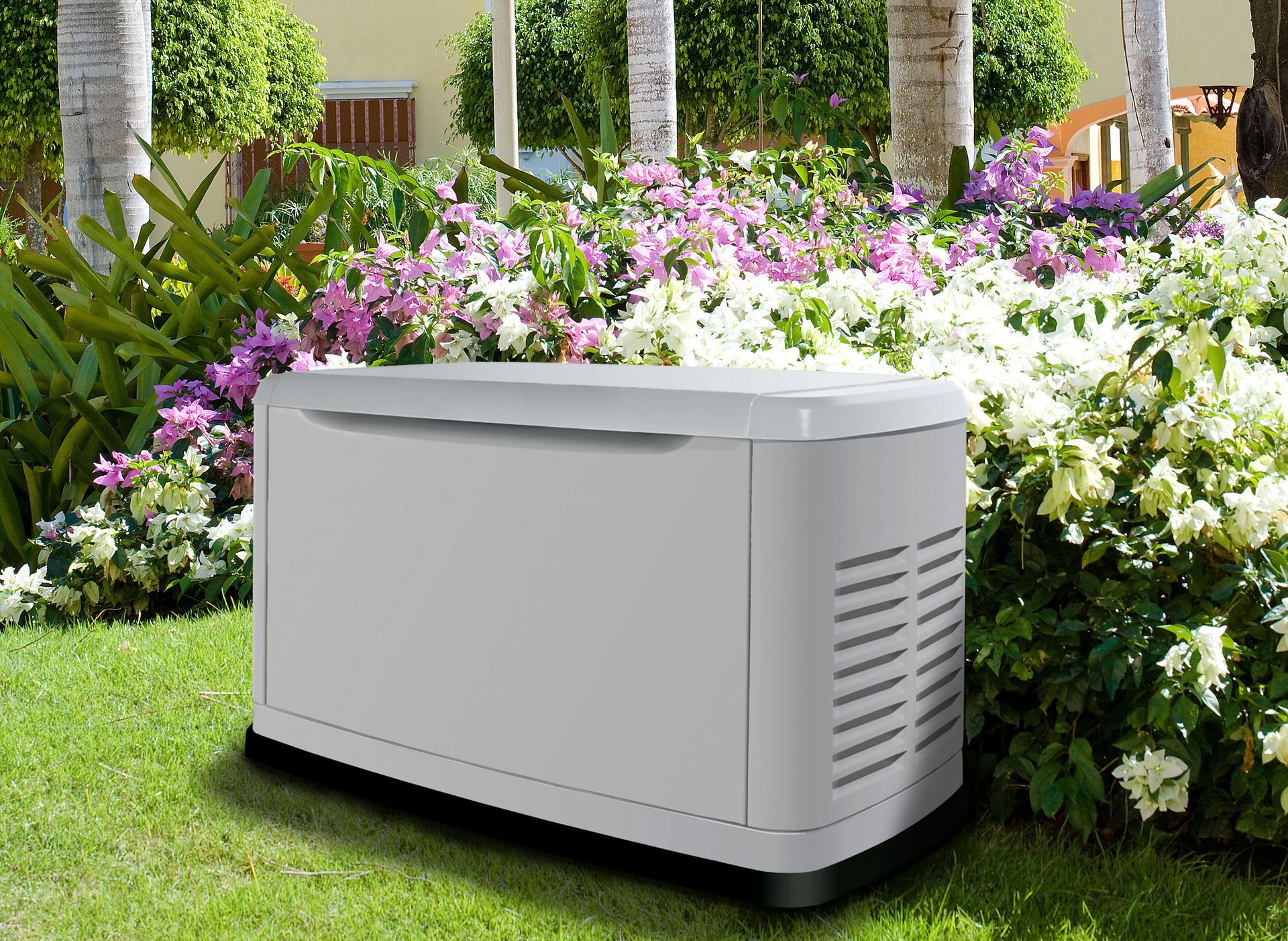
Power outages can disrupt daily routines, interrupt work, and affect essential household equipment. A modern home generator can help homeowners maintain access to electricity during storms, unexpected outages, and other interruptions. Today's systems offer more than basic backup power, with features designed to improve convenience, safety, efficiency, and long-term performance.
Understanding these features makes it easier to compare systems and choose one that suits your household. Fuel availability, automatic operation, monitoring tools, noise levels, and maintenance requirements can all influence the ownership experience. By considering these practical differences, homeowners can make informed decisions without paying for features they do not need.
Improving Fuel Flexibility and Efficiency
Fuel options influence how a generator operates, how much it costs to run, and how easily homeowners can keep it supplied during an outage. Depending on the model, available choices include natural gas, propane, gasoline, or diesel. Some portable models support multiple fuel types, providing flexibility when one source becomes difficult to obtain.
Fuel efficiency also matters because extended outages can increase operating expenses. Engine design, electrical demand, and maintenance affect consumption, while inverter technology in certain models can adjust engine speed to match power requirements. This may reduce fuel use and noise when electricity demand is low.
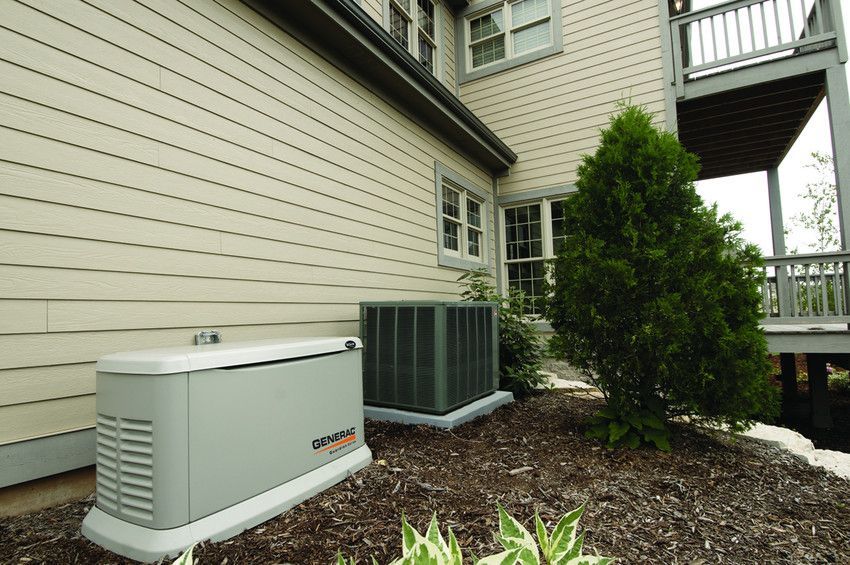
When evaluating a home generator, consider which fuels are readily available locally and whether the system suits your expected power needs. Permanently installed units connected to approved fuel supplies offer different conveniences from portable models requiring stored fuel. Choosing the right arrangement makes backup power easier to manage during an emergency.
Simplifying Operation With Smart Monitoring
Modern monitoring features make backup power easier to manage, particularly for homeowners who prefer receiving updates instead of conducting frequent manual checks. Depending on the model, connected systems may display operating status, maintenance reminders, fault alerts, and performance information through a smartphone application. These tools help users recognize when attention may be necessary.
Remote monitoring is especially useful when homeowners travel or spend extended periods away from their property. Users may receive notifications about operating conditions or service requirements without being physically present. Connectivity varies, so check whether the equipment requires Wi-Fi, cellular coverage, or an additional subscription.
Smart features can also support consistent maintenance. Following recommended inspections and addressing alerts promptly may reduce avoidable operating problems. Before purchasing, compare available notifications, application features, and ongoing service costs to determine whether the added convenience justifies the investment.
Strengthening Safety and Electrical Protection
Safe installation and operation are essential when adding backup electricity to a home. Standby systems typically use transfer switches to manage transitions between utility and generator power, helping prevent dangerous electrical backfeeding when installed correctly. Portable equipment requires an appropriate setup, so homeowners should follow manufacturer instructions and applicable electrical codes.
Carbon monoxide protection is equally important with fuel-powered equipment. This poisonous gas cannot be seen or smelled, and generators must never operate inside homes, garages, or other enclosed or partially enclosed spaces. Portable units should remain outdoors, away from doors, windows, and vents, while carbon monoxide alarms should be installed inside the home.
Electrical protection features can help prevent certain operating problems. Depending on the model, these may include circuit breakers, overload shutdowns, and voltage regulation. A qualified electrician can determine whether the equipment, transfer switch, and electrical connections are suitable for the property and its power requirements.
Reducing Noise and Improving Residential Comfort
Generator noise can affect everyday comfort, especially when equipment operates near bedrooms, patios, or neighboring properties. Some modern models use sound-dampening enclosures, improved mufflers, and vibration-isolating components to reduce operating noise. Actual sound levels vary according to generator size, engine design, electrical load, and distance.
Placement also influences noise management. A suitable location must account for manufacturer clearances, exhaust direction, ventilation, accessibility, and local regulations rather than focusing on sound reduction alone. Homeowners should consider nearby living spaces and property boundaries when planning an installation.
If quiet operation is important, compare published decibel ratings and check the conditions under which they were measured. Some portable inverter models are designed for quieter performance at lower loads, while permanently installed systems may use specialized enclosures. Reviewing these details helps homeowners select equipment that meets practical needs without unnecessary disturbance.
Supporting Cleaner Energy and Smarter Power Use
Environmental considerations can influence backup power decisions. Fuel-powered generators produce exhaust emissions during operation, with the type and amount depending on the engine, fuel, and operating conditions. Homeowners seeking alternatives may also consider battery storage or solar-plus-battery systems, depending on their electricity needs and budget.
Combining renewable energy with stored electricity can benefit some properties. Solar panels generate electricity when sunlight is available, while batteries can supply stored power during certain interruptions. Backup capacity depends on battery size, solar production, household consumption, and system configuration, making a professional assessment useful.
A home generator may complement other energy equipment when designed for compatible operation. Homeowners should confirm that the inverter, transfer equipment, battery system, and generator controls can work together safely. Comparing installation costs, operating expenses, and expected outage duration helps identify a practical backup power strategy.
Extending Service Life Through Regular Maintenance
Durability depends on more than equipment quality. Correct installation, appropriate operating conditions, routine inspections, and timely servicing all influence performance over the years. Homeowners should review the maintenance schedule for their chosen model and understand which tasks require a qualified technician.
According to HomeGuide, a properly maintained whole-house generator can provide approximately 15 to 30 years of service and accumulate 10,000 to 30,000 operating hours. Actual longevity varies with the model, workload, environment, and maintenance quality, so these figures are estimates rather than guarantees. Following manufacturer recommendations can help owners identify developing problems before they require significant repairs.
Warranty coverage and replacement part availability also deserve attention. Manufacturers may offer service plans or extended coverage, but terms, exclusions, and maintenance requirements differ. Keeping service records and arranging professional inspections can support reliable operation and help homeowners plan for future costs.
Choosing Equipment With Greater Long-Term Value
The best backup power system fits a household's actual needs rather than simply offering the longest feature list. Homeowners should identify essential circuits, estimate starting and running loads, and decide whether they need to power selected appliances or most of the property. These details help determine the appropriate capacity and whether a portable or permanently installed model is suitable.
Installation requirements can significantly affect the total cost. Electrical modifications, transfer switches, fuel connections, permits, site preparation, and ongoing maintenance may all influence the budget. Requesting itemized estimates makes it easier to compare proposals and understand which services are included.
It is also helpful to consider how household needs may change over time. A home office, new heating equipment, or additional appliances may affect future power requirements. Comparing capacity, safety features, operating costs, warranties, and service availability helps homeowners choose equipment that offers practical long-term value.
Modern backup power systems offer features that can make outages easier to manage, from remote monitoring and automatic power transfer to improved fuel flexibility and quieter operation. A properly selected home generator can also provide a practical backup solution when household electricity needs change, provided the equipment is professionally installed and maintained. Reliable performance still depends on choosing suitable equipment and following manufacturer recommendations. Contact Grand Valley Electrical Services Inc to discuss your backup power needs and explore the right home generator solution for your home.










Share On: